Mar

15

Posted by : admin | On : March 15, 2012

Definition of Ironic: My health plan hired a third-party administrator to collect medical records from a provider for an insurance claim I made. The provider needed a signed release from me to provide MY medical records to the third-party to then provide MY medical records to my health plan. The third-party contacted me to have me sign the release form which I did and sent back to them. I asked the third-party if I can also get a copy of MY medical records that they are obtaining, with MY signed permission, to give to my health plan (always good to have copies of records). Third-party’s response: “You can ask your contact at {Health Plan} about receiving a copy of the records since we are not authorized to release records to anyone but the requestor.”

Score 10 points to inefficient illogical health insurance industry.

Share

Mar

13

Posted by : admin | On : March 13, 2012

On May 30th 2008, a dozen brain tumor experts from over six different medical centers convened in Boston to discuss one patient’s treatment options. The patient, a 76 year-old man, had been diagnosed with a Glioblastoma Multiforme brain tumor, the “most common and most aggressive malignant primary brain tumor in humans.” What was astonishing here, according to NY Times writer, Laurence Altman, was this man’s ability “to summon noted consultants to learn about the latest therapy and research findings” – despite this being the most common brain tumor that has a relatively set course of treatment.

This man was able to solicit advice that anyone else diagnosed with incurable cancer could only dream of. How did he achieve this? Well, this man was Edward Moore Kennedy, or, to his friends, “Ted.”  As the NY Times stated:the ability of a powerful patient — in this case, a scion of a legendary political family and the chairman of the Senate’s health committee” was extraordinary. This meeting led to Ted Kennedy changing his treatment plan from what Harvard’s prestigious Massachusetts General Hospital advised and opting to have surgery at Duke instead. Kennedy’s ability to seek out more opinions from the leading exports in the field is what led him to extend his life by 15 more months and live long enough to vote for the healthcare reform law he worked half his life to bring about.

When I read this article back in 2008, I was surprised to discover that I knew several of the experts that Kennedy consulted with. In fact, I too had reached out to them to get advice on my “inoperable” brain tumor in 2005. While not rich, famous or politically powerful, I was nonetheless resourceful and sought to make the most informed decision possible before starting treatment. Afterall, if one were to buy a new car, they would probably go online and read dozens of reviews about the cars they were considering. They would probably talk to different people who owned those cars and get their first-hand experience. They would then go to several dealerships and test drive the cars they liked, and, only after all that, would they buy a car. However, for some inexplicable reason, when we are faced with a dire illness and need to make a choice about saving our lives, we are expected to settle for one second opinion? Ted Kennedy did not settle for that and neither should anyone!

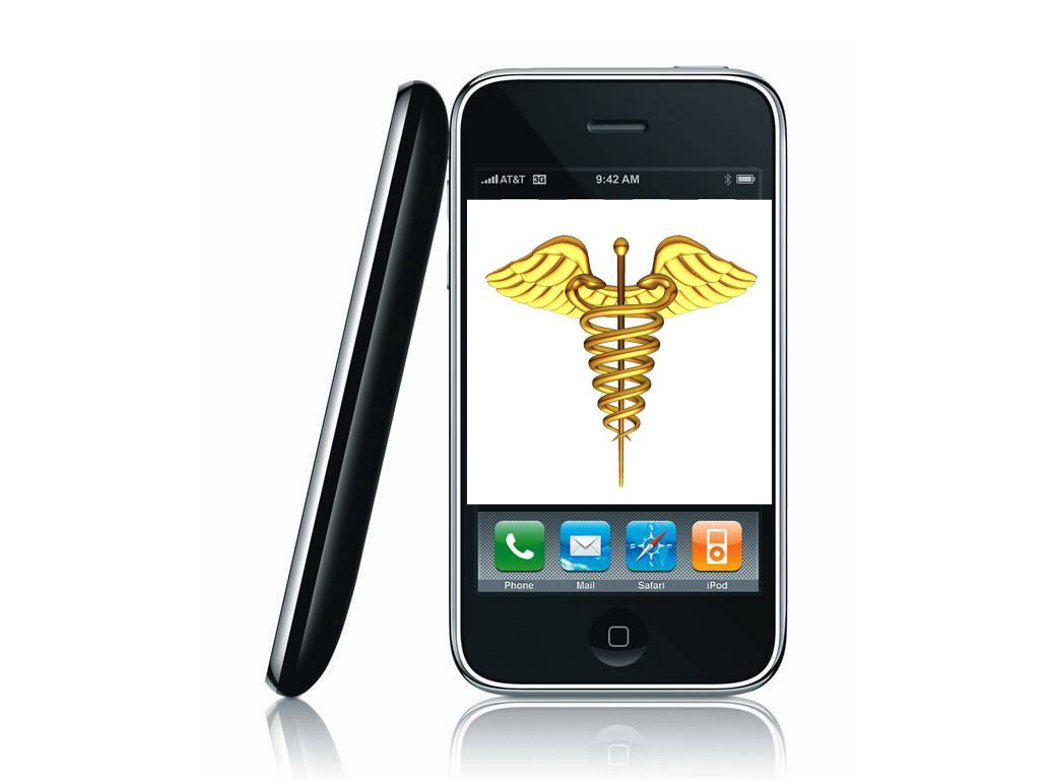
Around the same time, another rich and famous person was diagnosed with pancreatic cancer and wanted to do everything he could to stay alive. This man had brought us the iPad and the iPhone and he had the ability to convene the “expert panel” he needed to make his decision on a treatment choice. Once again, a person’s ability to properly face a cancer diagnoses was correlated to his status in society. If Joe Schmo wanted to have a call with the same 12 experts he would be looked at like a crazy person.

Even getting access to reviews of treatments online is difficult. If you Google “iPhone 4s Reviews” you receive over 373,000 results full of reviews of the new gadget. You can find Consumer Reports, YouTube clips and experts all over the world advising you to buy or not buy. But if you Google “stereotactic radiosurgery review” you get only 2,240 hits, none of which will actually help you make your decision.  In a recent NY Times article discussing the lack of online reviews for doctors, the author quotes a spokesman for the American Medial Association as saying, “Anonymous online opinions of physicians should be taken with grain of salt and should not be a patient’s sole source of information when looking for a new physician.” The author also quotes the manger of a review site saying that doctors have told her that “patients aren’t smart enough to figure out whether I’m a good doctor.” With this being the approach of the mainstream medical providers it is not hard to see why only the rich and famous can get the best possible advice from multiple sources.

This situation is simply unacceptable. Everyone and anyone should have full access to a system that allows them to make the best informed decision before consuming healthcare, especially when it is medical care that is needed to save one’s life. There are many organizations approaching the information problem, as it is goes beyond the issue of informed treatment decisions. ClearHealthCosts is trying to bring more transparency to the prices of healthcare while FairCareMD aims at allowing consumers and provider of health to agree on a fair price for treatment. And of course, Health2Social is determined to help people get to the best care they need and make the best informed decision when choosing a treatment course.

Look out for our next post, titled “The Informed Patient:  A Manifesto.” This Manifesto will list the steps and conditions that will lead to everyone having access to the same decision making support Ted Kennedy and Steve Jobs had, and, at the very least, the same that I had, which ultimately saved my life.

What do you think should be included in The Informed Patient: A Manifesto? Leave us a comment and share your voice!

Share

Mar

11

Posted by : admin | On : March 11, 2012

Check out my guest blog post on ClearHealthCosts.com! Have you ever had similar issues with billing departments? I cannot be the only brain tumor survivor with crazy billing stories. Feel free to Like and Comment on this on my wall, ClearHealthCost’s wall and on the blog. Thanks. iPatchman

Share

Mar

07

Posted by : admin | On : March 7, 2012

The following post was written by Yitzi Zablocki, Akiva’s brother, in response to a recent inspirational story about a friend and her cancer diagnoses. We welcome your comments and insights. 

A friend of mine was recently diagnosed with stage 4 stomach cancer. It is too much of an understatement to say that this woman is full of life. There is no question that her gushing personality makes her by far the life of every party. Her diagnosis was a complete shock; as if the writer of this story was getting lazy and went for the absolute cliché. Her network of friends immediately went to work to find a hopeful possibility. Calling doctors, reading websites, leaving no stone unturned. 

I am a big believer in searching outside the box. My brother was diagnosed with a brain tumor when he was in his early 20′s. He was not given much hope by top doctors, but our family took an aggressive approach to research and did not take the doctor’s conclusions as the only final options. They put their bets on radiation, but that was clear to us as an irrelevant and possibly harmful treatment. We ended up defying all the doctors he saw in New York and took him to a rare doctor in Arizona who does successful surgery on the brain stem. All the top doctors in New York predicted my brother to be dead within a couple of years – but the tumor was removed and gone forever. He is alive and well at 32 expecting his first child this summer

This whole ordeal made me question the opinions of doctors. How many people like my brother have died because of limited medical advice by experts? What if my brother did not have the community of resources to look to beyond the traditional options? He would not be with us today. My brother has now dedicated his life to giving others ability to share the resources and information that most patients do not have. 

When my friend was diagnosed with stomach cancer, recommended a similarly aggressive and hopeful approach. Doctors do not have all the answers. Often they follow medical conventions that are forever changing. Doctors see many cases and most of our medical systems are based on what is best for the majority of cases. The beauty of humanity is that each case is very individual, and this means that the solutions doctors use are not always relevant. Doctors are tools to help patients make decisions.

In my friend’s case recent case, her doctors were not hopeful either. They gave her 6 months to live. After every test, the news seemed worse and worse. Developed stomach cancer is tough, and I was not finding too much long-term hope in my basic research. All the doctors could suggest was that she try some chemotherapy to prolong her life as much as possible. 

Another close friend took ownership of this case, seeking out even more developed options and helped manage her case, while my brother advised on insurance and healthcare and connected our friend to other doctors. Ultimately, there is not much you can do – doctors see cancer, they say chemo. And when they see stage 4 cancer, they are not very hopeful.

We know that my brother’s situation was a rare tumor and an even more rare solution. But I learned from that to not take doctors words as final. Push for more options, and keep trying until you have exhausted them all. This is life we are talking about here, not an online research for a new couch. This is what it is all about, this is what we spend our time denying; at any moment this can happen to your nearest and dearest. 

Not everyone can be as lucky as my brother, even with the best research team. And when there is not much hope, we go back to our distractions, because some situations are out of our control. We focus on our jobs, our TV schedule, our travel. Things that we can control.

My friend reluctantly started her first round of chemo and we played the waiting game. Buy some time and see what comes next. Her doctors did not bring much hope when she went back for her tests after she completed the round. The plan was to try the round of chemo and see what new options and opinions can come to the table. She had already seen quite a few doctors, but it’s always good to seek out more opinions. She managed to get an appointment at another leading cancer hospital. If nothing else, it looked like this hospital was better managed and her case was in more capable hands. They set her up for more tests.

Today, she went back for some results before she started her next round of chemo. Low and behold, the results show that despite the readings from the doctors in the original hospital, her cancer is in complete remission – practically undetectable. The chemo has been proven to be more effective than anyone could have imagined. She is not out of the woods, and cancer is normally not simply cured, but no doctor, nor any case we researched, predicted this level of remission. 

This case, like my brother’s, is rare but again shows the importance of not listening to just one or two opinions. Even when things seem hopeless, the unexpected is a possibility. The irony here is that the solution did not come from some alternative option. It came from the most basic treatment. No doctor would ever tell a patient that a treatment can cure them 100%. Any doctor who is that sure of what will happen isn’t taking into account cases like my friend’s. The lucky one who performed above and beyond, and from the depths of despair, has been given her life back.

Share

Feb

14

Posted by : admin | On : February 14, 2012

Check out my new blog post on Health2Social.com on the issues facing innovation in mHealth: In Fast Company Magazine’s February issue there is article titled “As Smartphones Get Smarter, You May Get Healthier: How mHealth Can Bring Cheaper Health Care To All.” The piece, by Adam Bluestein, is a survey of thenew disruptive innovations in the mHealth market that can potentially replace large, clunky, and expensive medical devices with small, elegant, and low-cost Smartphone accessories. The article touches briefly on one of the main challenges mHealth faces as it aims to grow its chunk of the $273 billion medical device industry from its current $2 billion market share.  As mentioned in the article: “At stake is the future of health care–and a share of the $273 billion medical-device industry, which is dominated by the likes of GE and Philips.” What is obvious here is that GE and Philips will not be happy with disruption from the startups which have the potential to replace their high cost devices. One of the biggest setbacks for innovation would be if these larger companies use their millions in cash reserve to lobby Congress to create more regulations that can potentially stall the influx of these new cheaper devices. As Bluestein discusses in the article, the “clunky-looking device eye doctors use to pinpoint your prescription–weighs about 40 pounds, costs $10,000” – and can be replaced by a similar functioning $30 accessory that can attach to your iPhone.

READ MORE


Share

Nov

08

Posted by : admin | On : November 8, 2011

Share

Nov

21

Posted by : admin | On : November 21, 2010

Check out pictures of the 5th Annual iPatch Design Contest Winners. You can check out the posts on Facebook:

Some of my favorites this year are:

The Rite Aid Circular iPatch by Amanda Zablocki (I do live Rite Aid):

The Van Gogh iPatch by Inbal Weinberg:

And The Flying Spaghetti Monster iPatch by Shuky Ehrenberg and Adi Bar-Lev:

Thank you all for contributing!

There are many references to “iPatch” now online, both on Facebook, YouTube and other social media. Ever since the iPhone and iPad came out, iPatch has become a pop culture reference. A good example can be seen in the latest viral clip TWEET IT where they reference an iPatch:

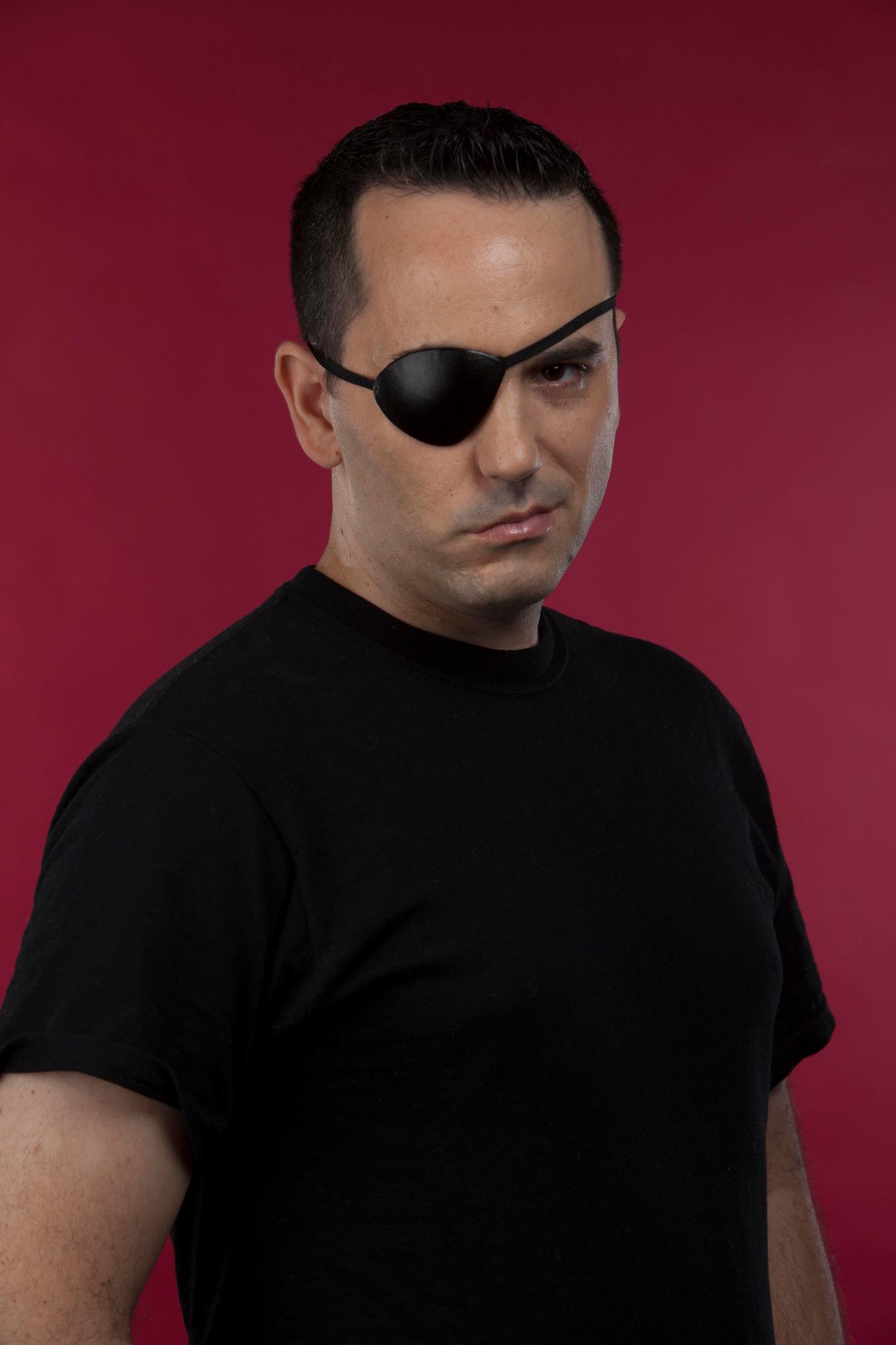
Please do remember that I had  coined the terms iPatch and iPatchman back in December 2005, 2 years before the iPhone came out (based on the iPod if anyone remembers what that is), and I have been having these Design Contents since November 2006.

Who coined the term iPatch?

Share

Nov

02

Posted by : admin | On : November 2, 2010

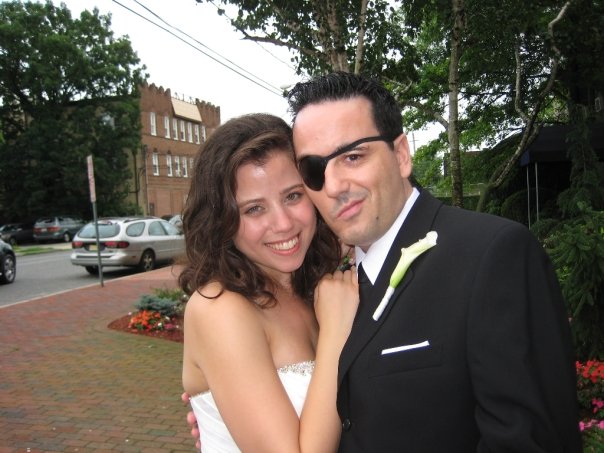
Follow the link below and read what happens when A Wedding, Bar Mitzvah and Brain Surgery get mixed up in Julie Gruenbaum Fax’s Cyberstalking Akiva and the Kippah Snafu

Share

Oct

01

Posted by : admin | On : October 1, 2010

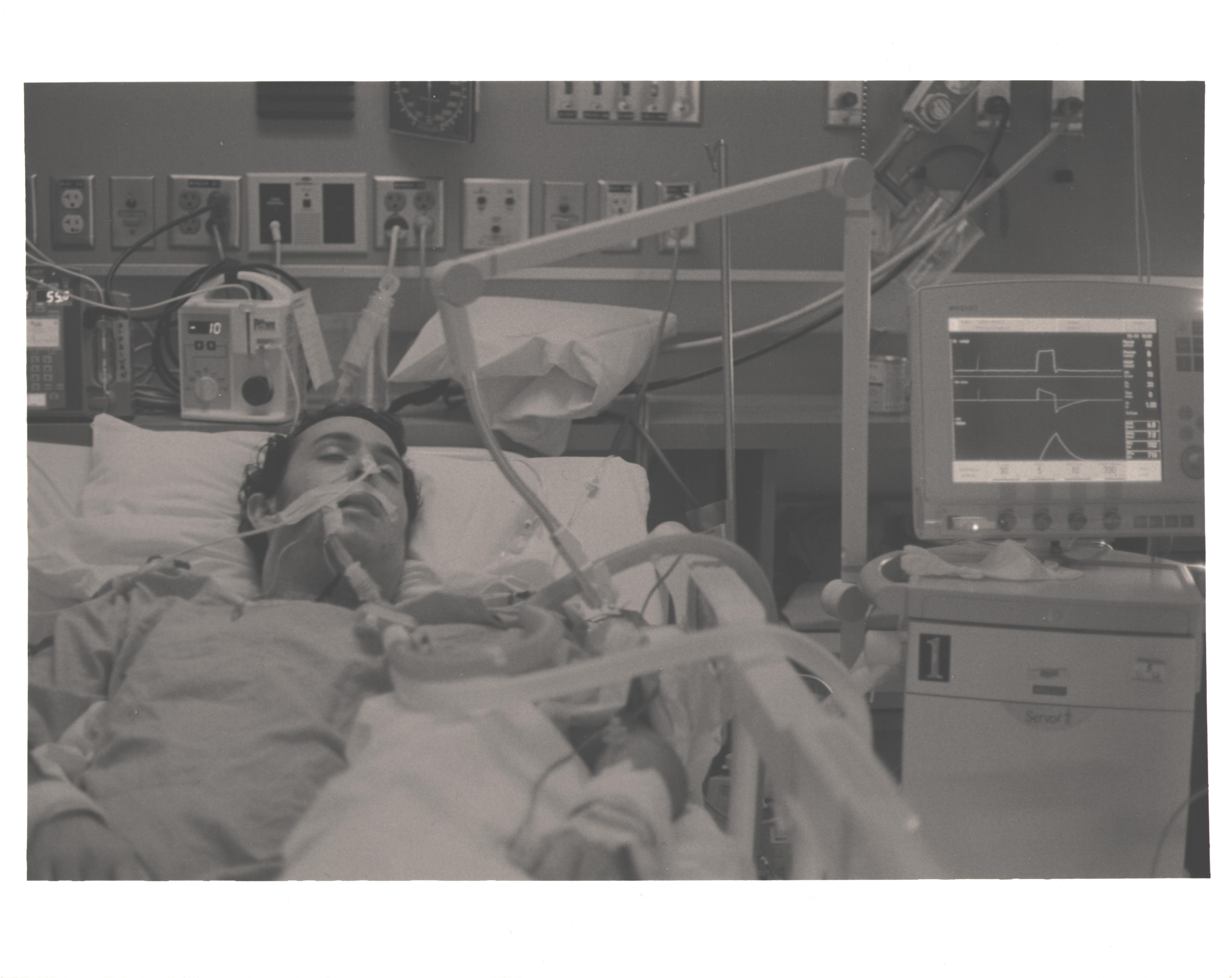
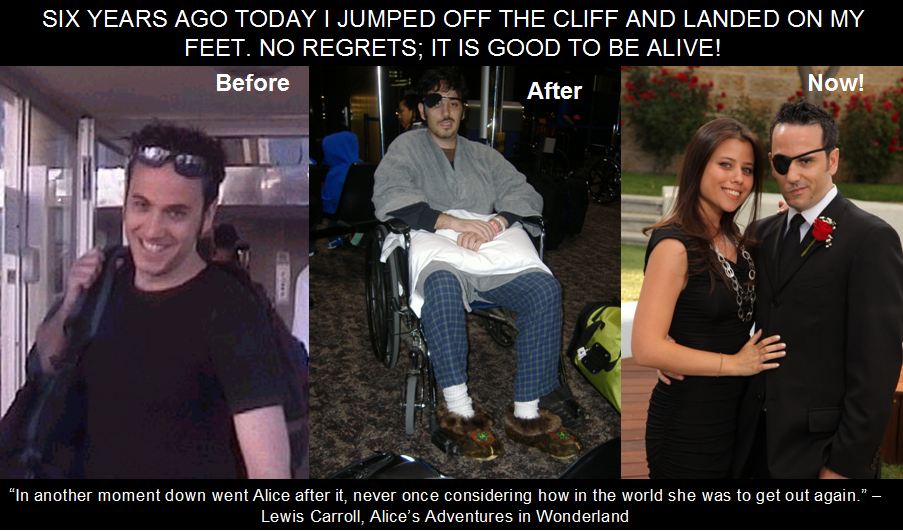
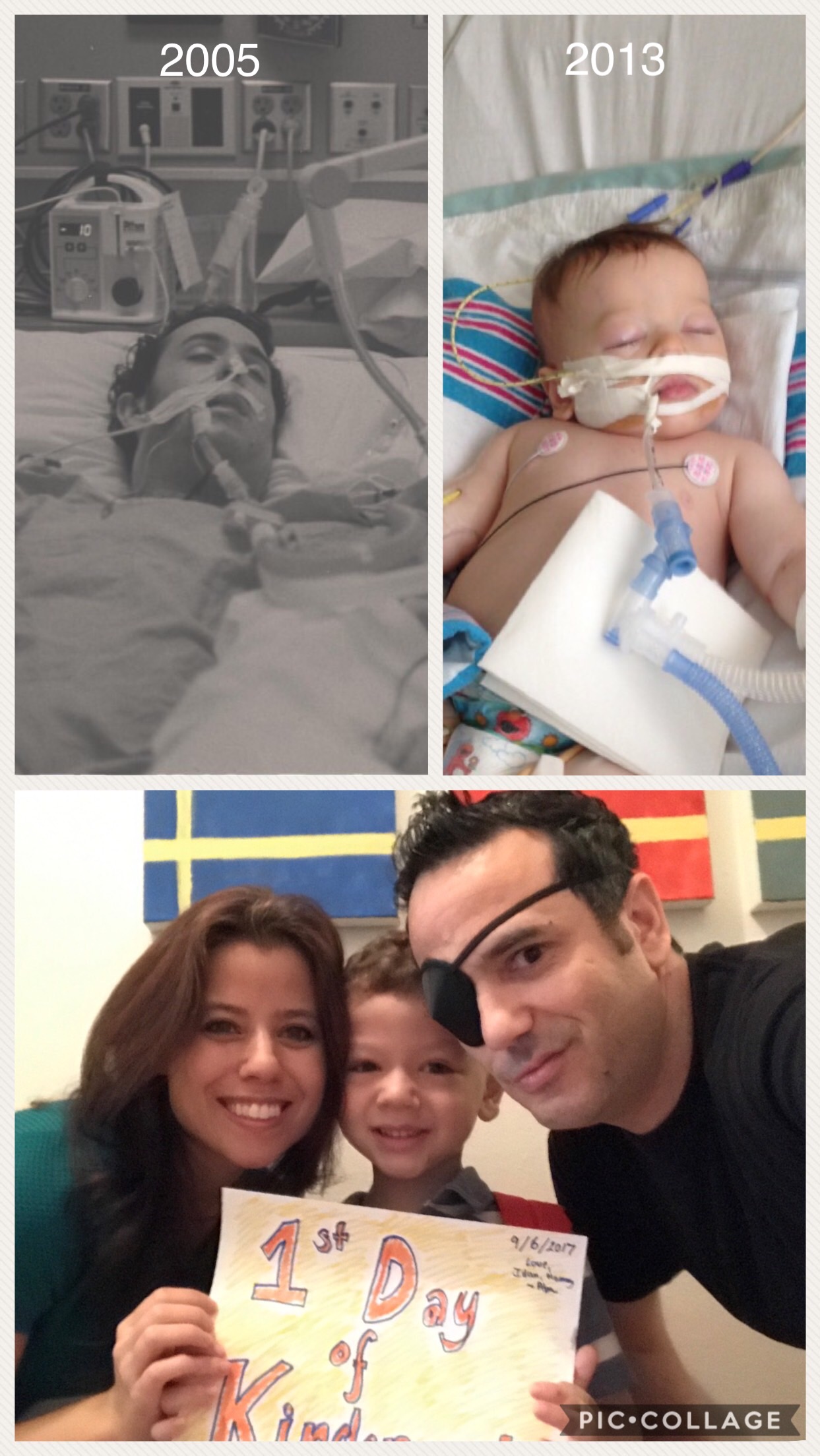
It is hard to believe that it has been five years since the day I was diagnosed with a pediatric brain tumor. I leaped off the cliff and had brain surgery at age 25 and I still struggle daily with the after-effects. Nevertheless, I remain hopeful and resolute in my decision to survive and live a long and happy life.  Over the course of these years, I have found great fulfillment with my involvement with the Children’s Brain Tumor Foundation (CBTF), and have the honor of serving on the foundation’s board.

By overcominga a dire brain tumor prognosis, I came out stronger and deeply committed to help others who need it most. Every day nine families across America learn their child has a brain or spinal cord tumor, but only six will transition to survivorship. Pediatric brain and spinal cord tumors remain the toughest children’s disease. These kids often endure not only intense surgical procedures but also extensive chemotherapy and radiation treatments. Not only does this disease often confine children and parents to long hospitals stays, it also greatly impacts the life of their entire family.

This year, for the 22nd time, the Children’s Brain Tumor Foundation has reserved the Big Apple Circus on Sunday, October 24th so the children and families we serve- and you- can join us for a fun and laughter-filled afternoon. Please join us in making this CBTF day at the circus, the 22nd Annual, unforgettable! We need your help in reaching our goal of raising $150,000 to recognize this important milestone.

A day at the Big Apple Circus offers a welcome reprieve for children and families. It’s an opportunity for them to enjoy a day of cheerful fun and entertainment with other kids and families dealing with the same disease and its after-affects. What’s more wonderful than a child wide-eyed at the sight of clowns and circus animals in the center ring?

Your sponsorship of a child or a whole family will make this day a memorable one for hundreds of children and families. Proceeds will also support other quality-of-life programs we provide for children and families including education and research.

I want you and your family to join the fun! You can sponsor a child or family and order your tickets too.

You can donate now online or at www.akivazablocki.com.

All donations large and small go a very long way.

Thanks for your continuing support and for your help on this special day!

Akiva (A.K.A., iPatchMan)

Share

Sep

29

Posted by : admin | On : September 29, 2010

This blog post has been featured on the healthcare social media blog Health2Social and has been re-posted here.

A recent WSJ Health Blog post titled “Unraveling Why Patients Don’t Take Their Meds? argues that one reason patients stop taking their medications is the negative side effects they may experience. The post mentions some astonishing reasons for the lack of drug compliance. The blog mentioned that a recent study by the New England Healthcare Institute (NEHI), which brought together experts on patient medication adherence found that “there are many reasons besides side effects that patients don’t take their medicine: cost, the challenge of managing multiple prescriptions, cultural issues, forgetfulness and a reduced sense of urgency if they don’t feel any symptoms.” The article also mentioned that “an estimated one half to one-third of Americans don’t take their medications as prescribed by their doctors . . . contributing to about $290 billion a year in avoidable medical spending including excess hospitalizations.”

I find this quite amazing to believe. I agree that negative side effects may be the main reason patients stop their medications, but this, and the other reasons listed seem to be only dwarfed by the bigger issue. As I had mentioned in a previous post: Working as a spy for a secret agency; Decoding Healthcare’s Elusive Prescription Dilemma, trying to read your prescription and figure out what one is taking, what dosage, and why, is like trying to decode a secret message between the doctor and pharmacist.

Yes, all the reasons motioned above are true, but most of them can be solved by better patient education, more time spent with the patient encouraging Q&A, and a clearer prescription system that is inclusive of the patient, rather than secretive and exclusive. Only by educating patients and encouraging their questions, can doctors provide their patients with the tools to take control of their own health.  As Thomas Goetz, executive editor of Wired Magazine, and author of The Decision Tree, points out over and over in his book, being in control of your health actually increases your health (as seen from the British Whitehall Study from 1967). If physicians empowered their patients by education and clear communication, patients would feel more control over their health, thereby leading to better health outcomes.

The WSJ post does mention that “simplified drug regimens, better patient education and closer monitoring of patients on medication by case managers” are part of the proposed solutions. I think these are great proposals, and a better use of those $290 billion wasted should go to compensating primary care providers to spend more time education the patient, including them in the prescribing process, and following up with their patients on drug regiments.

Another solution is to create a more social aspect of medication compliance. As noted from the wildly successful Weight Watchers program, mainly as a result of the social network aspect (support groups, similar to AA meetings). We at Health2Social would like to see more socially engaged programs related to medication adherence. If patients agree to sign off on a medical release, physicians can connect them with others who have the same diagnosis and are on similar medications. You then can create everything from a buddy system to actual support groups (moderated by a healthcare provider) to enhance the overall engagements in one’s health, and increase adherence.

Share